Nigeria’s culture is influenced by several different ethnic groups, who all determine the country’s food, clothing, and overall culture.
Nigeria is a multi-ethnic country in Northern Africa. With nearly 200 million inhabitants, it also happens to be one of the world’s largest countries by population. The culture of the country is diverse and tends to differ from north to south. Below are some of the most notable things about Nigerian culture.
LANGUAGE
Nigeria’s culture is made up of several ethnic groups that speak 527 different languages. The number of ethnic groups and dialects stand at more than 1,150. Some of the most prominent ethnic groups include the likes of the, Igbo and Yoruba.
1. Igbo
Igbo land is the home of the Igbo people and it covers most of the south-eastern Nigeria. This area is divided by the Niger River into two unequal sections – the eastern region and the mid-western region. The river, however, has not acted as a barrier to cultural unity; rather it has provided an easy means of communication.
Igbo people are industrious, friendly and educated people and they played an important role in Nigerian political development.
Igbo people, have a dynamic and fascinating cultural heritage that says lots about them, and most of the Igbo people are Christians. Their cultures are further divided into many groups, due to dialects and boundaries among the eastern states in particular and a good sample of this is their traditional way of welcoming visitors, which is usually offering kola to guests, even before they made their mission known.

The Igbo people have a melodic music style into which they incorporate various percussion instruments; the Udu, which is essentially designed from a clay jug; an Ekwe, which is formed from a hollowed log; and the Ogene, a hand bell designed from forged iron.
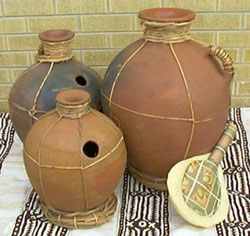
UDU 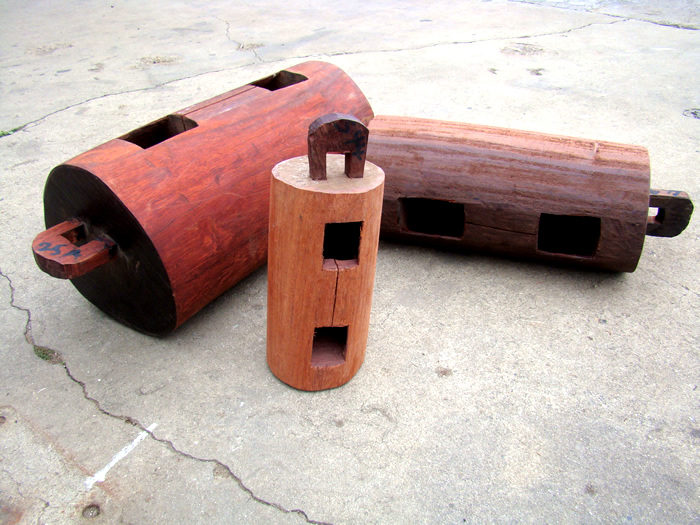
EKWE 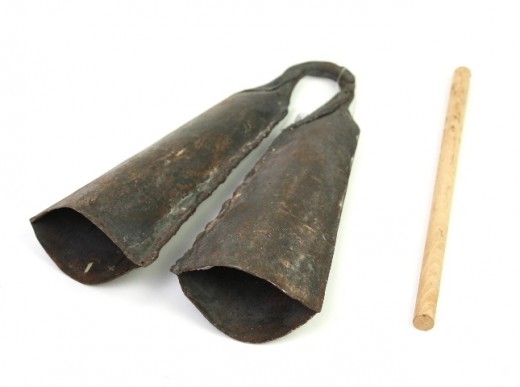
OGENE
Other instruments include Opi – a wind instrument similar to the flute; Igba, and Ichaka. They also have a style of music called Ikorodo, which involves a vocal performance accompanied by several musical instruments.
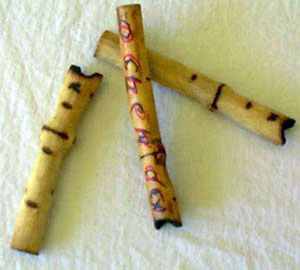
OPI 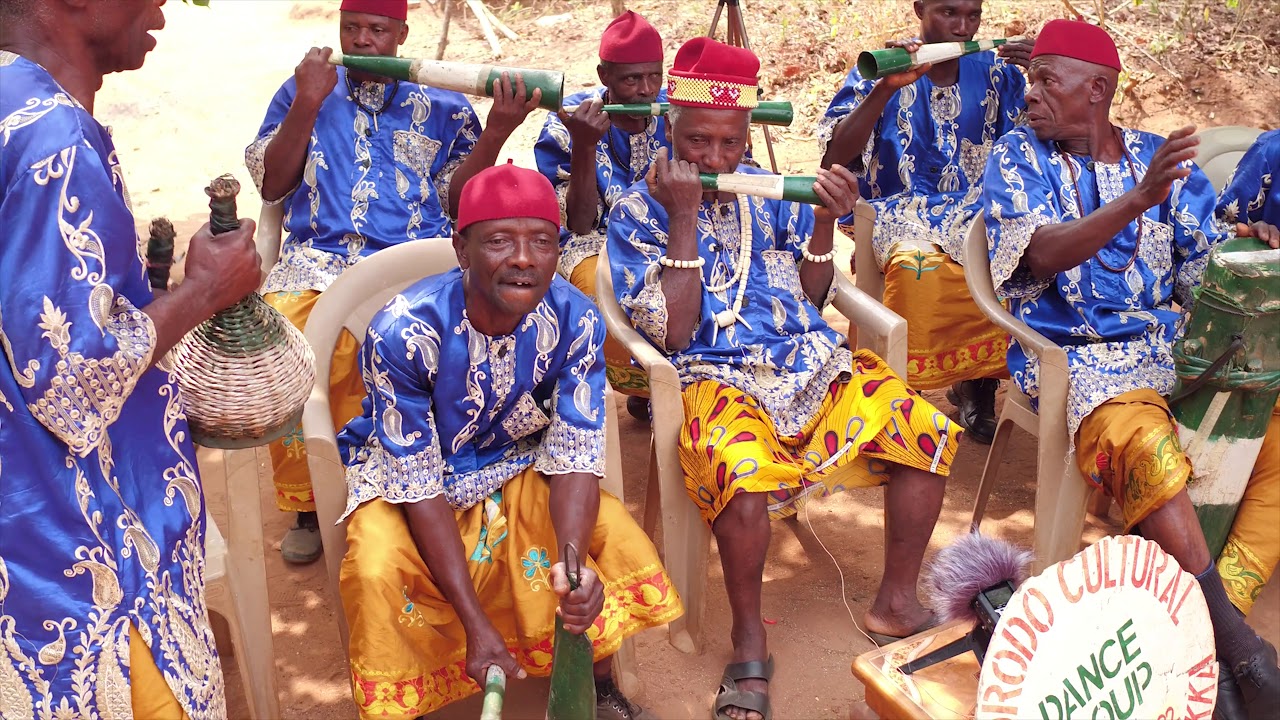
IKORODO
Another musical form among the Igbos is Highlife, which is a fusion of jazz and traditional music and widely popular in West Africa.
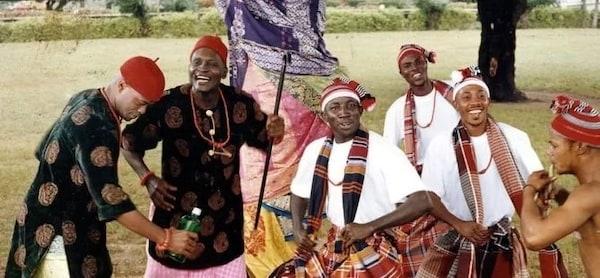
IGBO MEN 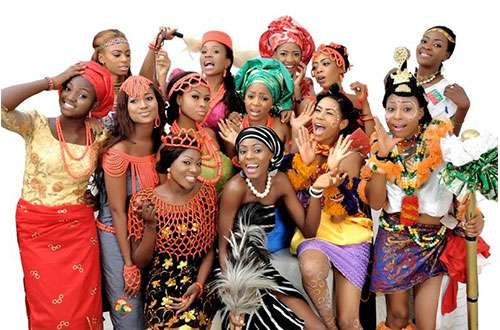
IGBO WOMEN
2. yoruba
The Yorubas originated from Ile-Ife, arose and became quite popular by their trading with the Portuguese, which gave them a large supply of guns.
However, they were unable to push back the Fulani who invaded them and pushed much of the Yoruba to the south.
In the late 1800s, the Yorubas formed a treaty with the Fulani and in 1901 they were colonised by the British. Because of their enmity with the Fulani who are the great Islamic evangelists, most of the Yoruba people do not hold to Islam but instead worship many of the gods and spirits that the Yoruba hold to.
Economically, Yoruba people primarily engage in agriculture, with about 15% of the people employed as merchants or artists and craftsman.
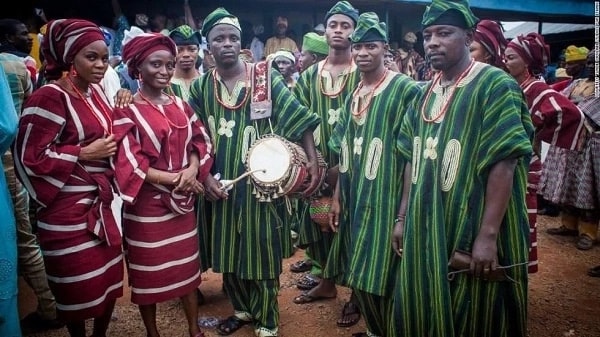
One of the features that make Yoruba people unique is their tendency to form into large city groups instead of small village groups. The Yorubas are today one of the three main ethnic groups that make up Nigeria. They can also be found in neighbouring countries.
One of the features that make Yoruba people unique is their tendency to form into large city groups instead of small village groups. The Yorubas are today one of the three main ethnic groups that make up Nigeria. They can also be found in neighbouring countries.
FOOD
1. Pounded yam
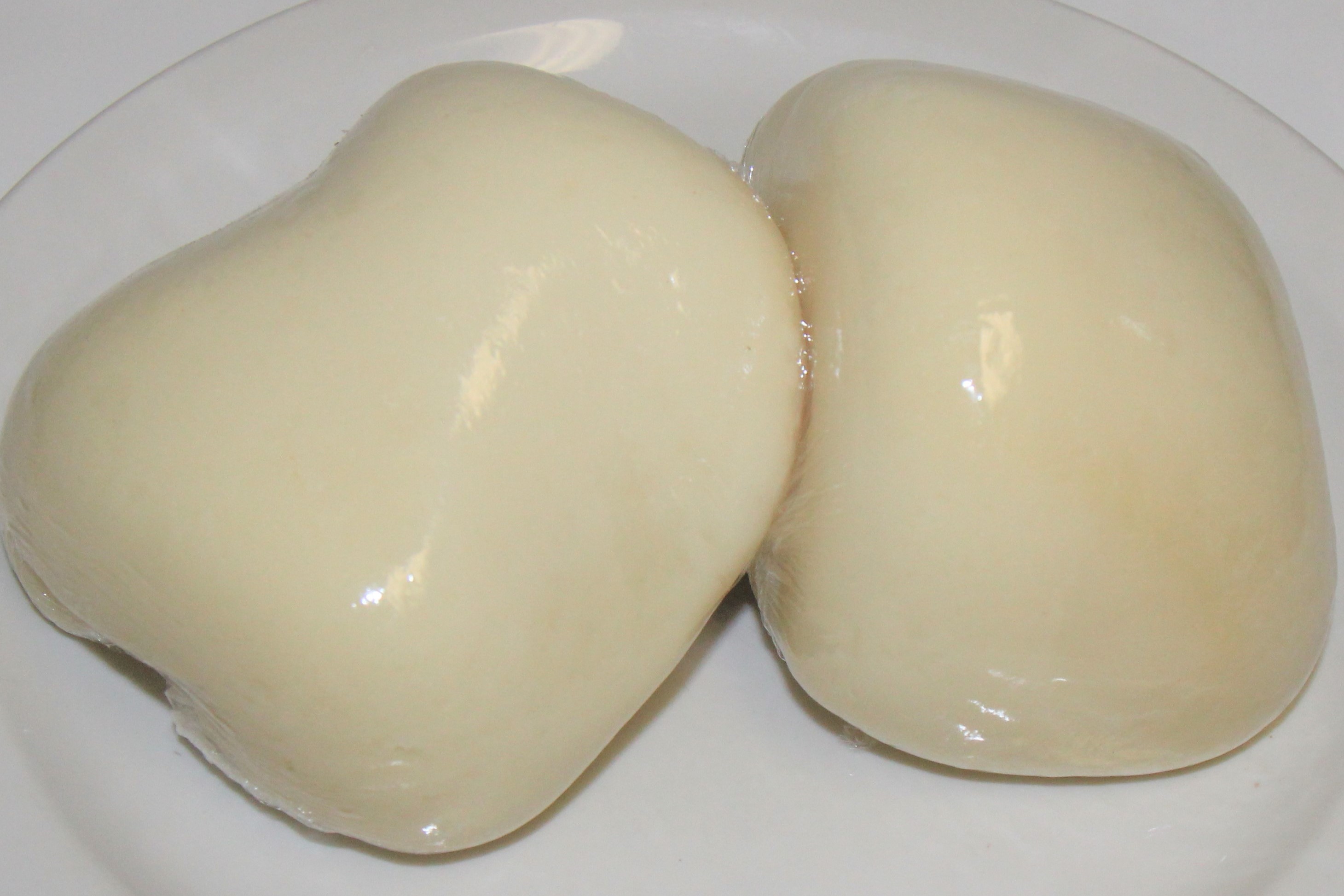
Pounded yam is one of Nigeria’s most popular dishes that can be served with a variety of soups like Egusi, Ogbono, Vegetable and Okro soup. Yam, which is widely available, is boiled and pounded into a smooth mash. You’ll most likely find people eating pounded yam with Egusi, Banga, Ogbono or some other meal.
Mind you, Nigerians abroad prepare alternative pounded yam using yam flour, but it doesn’t taste like the original pounded yam. Although the Yoruba people are known to be fond of pounded yam, some other Nigerian Ethnic groups like the Ibos consume it especially during occasions such as the celebration of new yam festival.
2. garri
Garri would pass as the king in the land of Nigerian dishes, as it is a household food in almost all Nigerian homes. There is a popular joke in Nigeria that, though Garri has no advert placement, yet, it sells more than other food products that advertise.
Garri is prepared from cassava tubers that have been fermented, but the tubers must undergo peeling, washing and grating into a mash prior to being fermented. The product gotten from this is then locally dried (roasted) to form fine flour.
Garri when mixed with hot water, becomes ‘Eba’, and can be served with almost all kinds of stews and soups. It can also be eaten with beans or as a snack.
Garri when mixed with hot water, becomes ‘Eba’, and can be served with almost all kinds of stews and soups. It can also be eaten with beans or as a snack.

3. egusi soup
This soup is widely consumed in Nigeria. Ingredients used in preparing the soup include melon seeds, red or any desired meat, seafood, fermented beans, a variety of green vegetables and onions. Egusi soup can be served alongside Garri, Pounded yam and fufu.

4. jollof rice
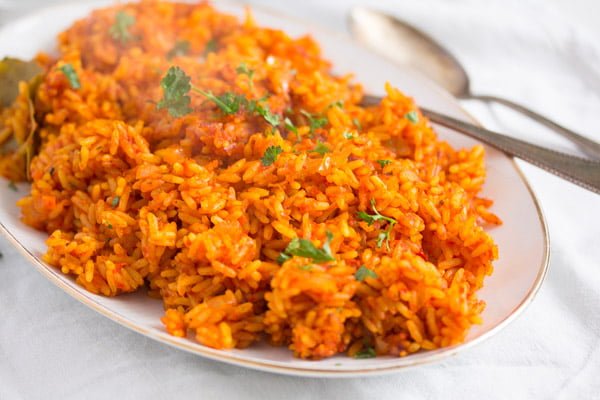
This colourful delicacy is food to many West African Countries, not just Nigeria. Ingredients of Jollof rice include rice, onions, tomatoes, chillies and a variety of spices. It can be served with vegetables and desired meat, chicken or fish. Jollof rice is commonly served on special occasions and at social events.
5. pepper soup
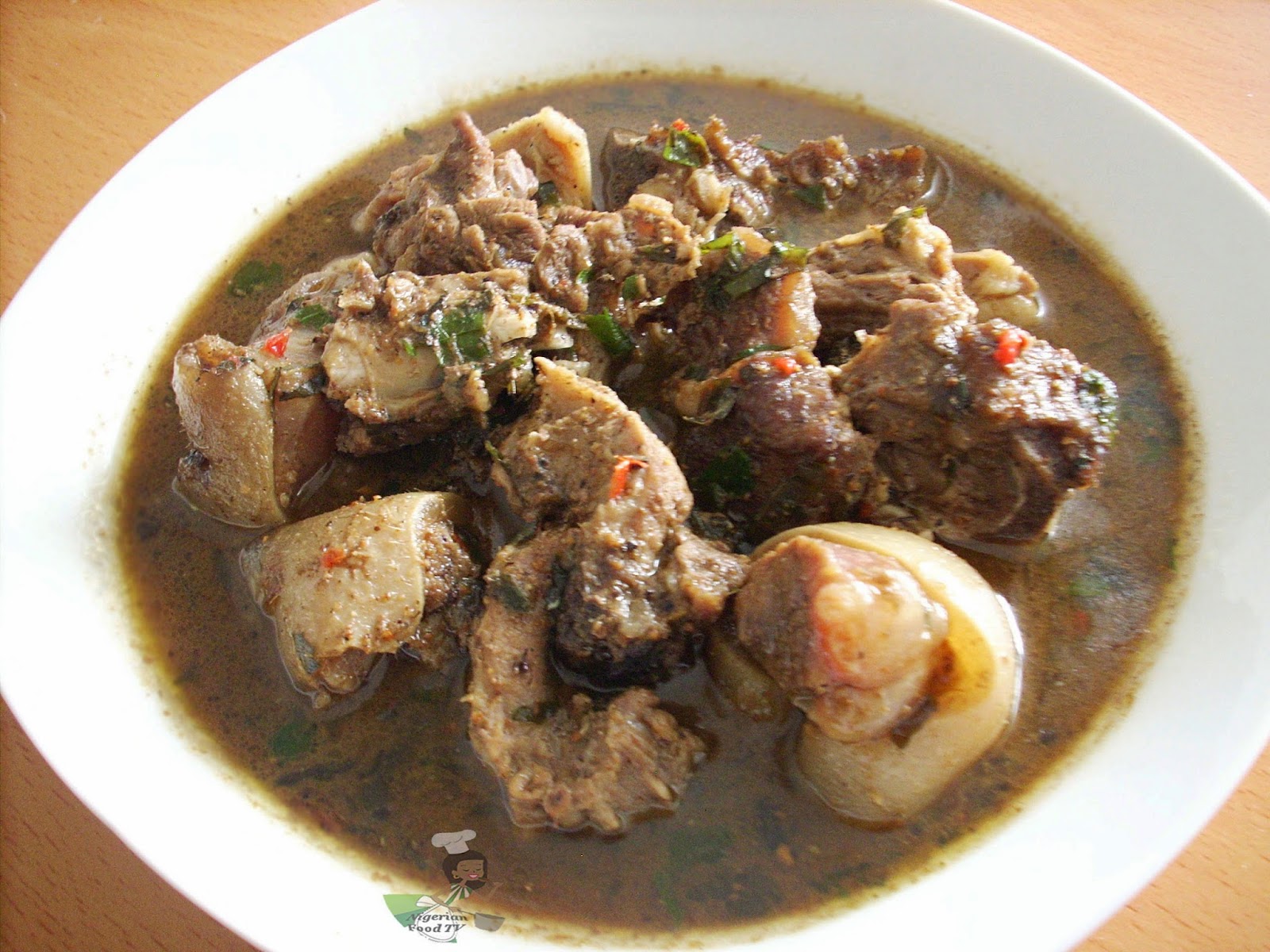
Nigerian pepper soup is among the nation’s favourite dishes due to its intensely spicy flavour and the variety of meat, fish or chicken that can be used to cook it. The broth is rich, with aromatic spices, pepper, ginger, garlic and onions to give it that unforgettable taste.
 ArtisticallyCultured